
Routes Where Structure Matters.
Backcountry Passage supports mid distance wilderness routes where transportation, resupply sequencing, and disciplined pacing materially affect the experience.
Each trail below presents unique logistical challenges. Shuttle coordination, town spacing, exposure, terrain variation, and limited access windows require thoughtful planning.
Our focus is on routes where disciplined structure elevates the outcome.
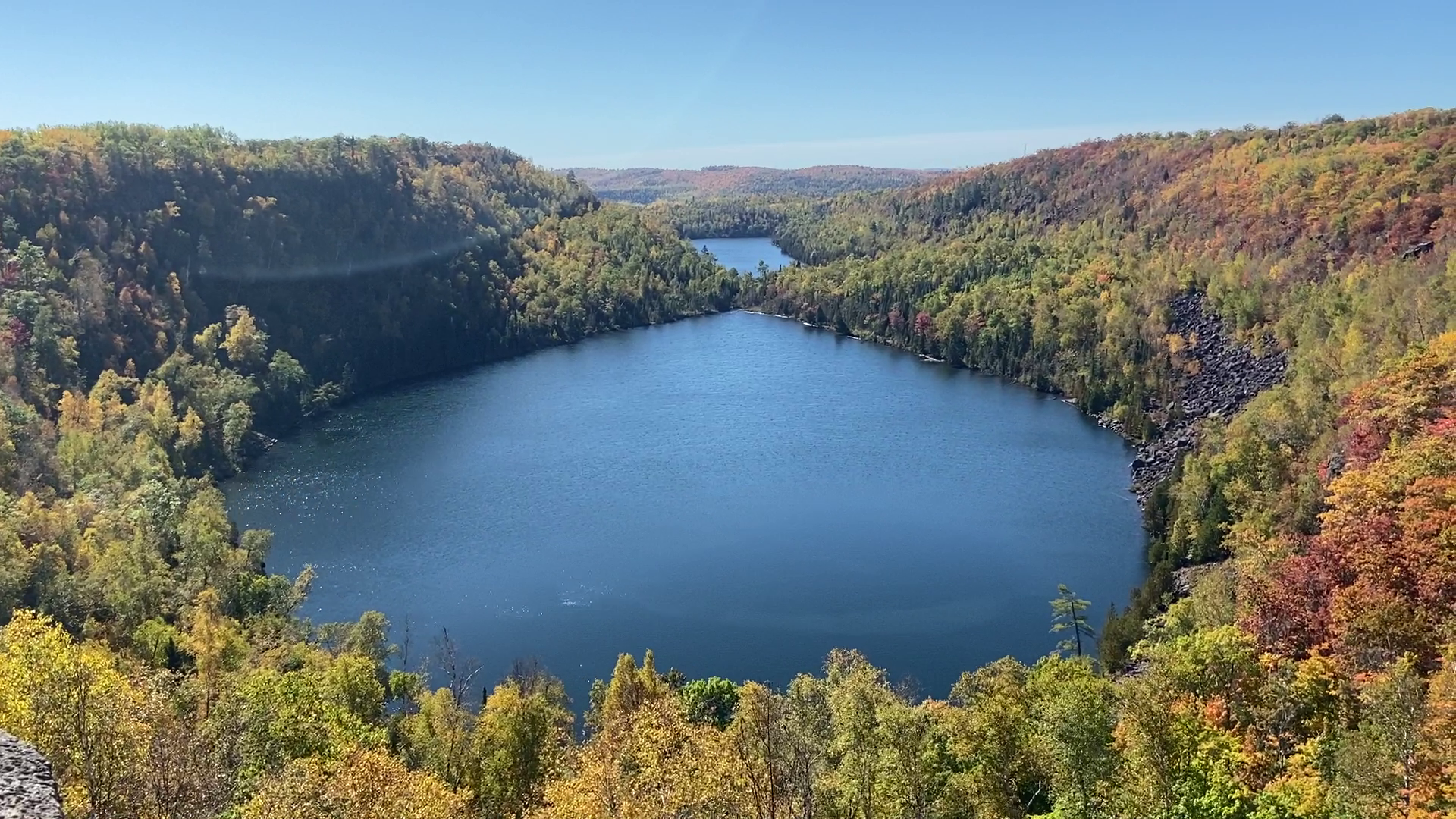
Superior Hiking Trail
Minnesota · 310 Miles
The Superior Hiking Trail runs nearly 310 miles along Minnesota’s North Shore, connecting Duluth to the Canadian border through rugged ridgelines, river valleys, and extended wilderness segments.
Superior Hiking Trail planning is often defined less by terrain and more by logistics. Shuttle coordination between dispersed trailheads, carefully spaced resupply drops, and lodging alignment in towns such as Two Harbors and Grand Marais require disciplined sequencing. Weather patterns along Lake Superior can further compress or extend travel windows.
Backcountry Passage provides structured Superior Hiking Trail logistics for full thru hikes and defined section hikes. From transportation planning and resupply strategy to pacing architecture and consolidated documentation, each route is built to reduce uncertainty before the first mile.

The Long Trail
Vermont · 272 Miles
The Long Trail runs 272 miles along the spine of Vermont’s Green Mountains, connecting the Massachusetts border to Canada. Known for rugged terrain, sustained elevation gain, and variable weather, it demands more than physical preparation.
Long Trail planning often hinges on disciplined resupply strategy, coordinated shuttle transportation between remote access points, and pacing aligned with terrain intensity. Many trailheads are offset from major towns, making transportation logistics a critical variable. Weather exposure in the northern sections further reinforces the importance of sequencing.
Backcountry Passage provides structured Long Trail logistics for full thru hikes and defined section hikes. From transportation coordination and resupply planning to itinerary architecture and consolidated documentation, each route is designed to reduce uncertainty before departure.
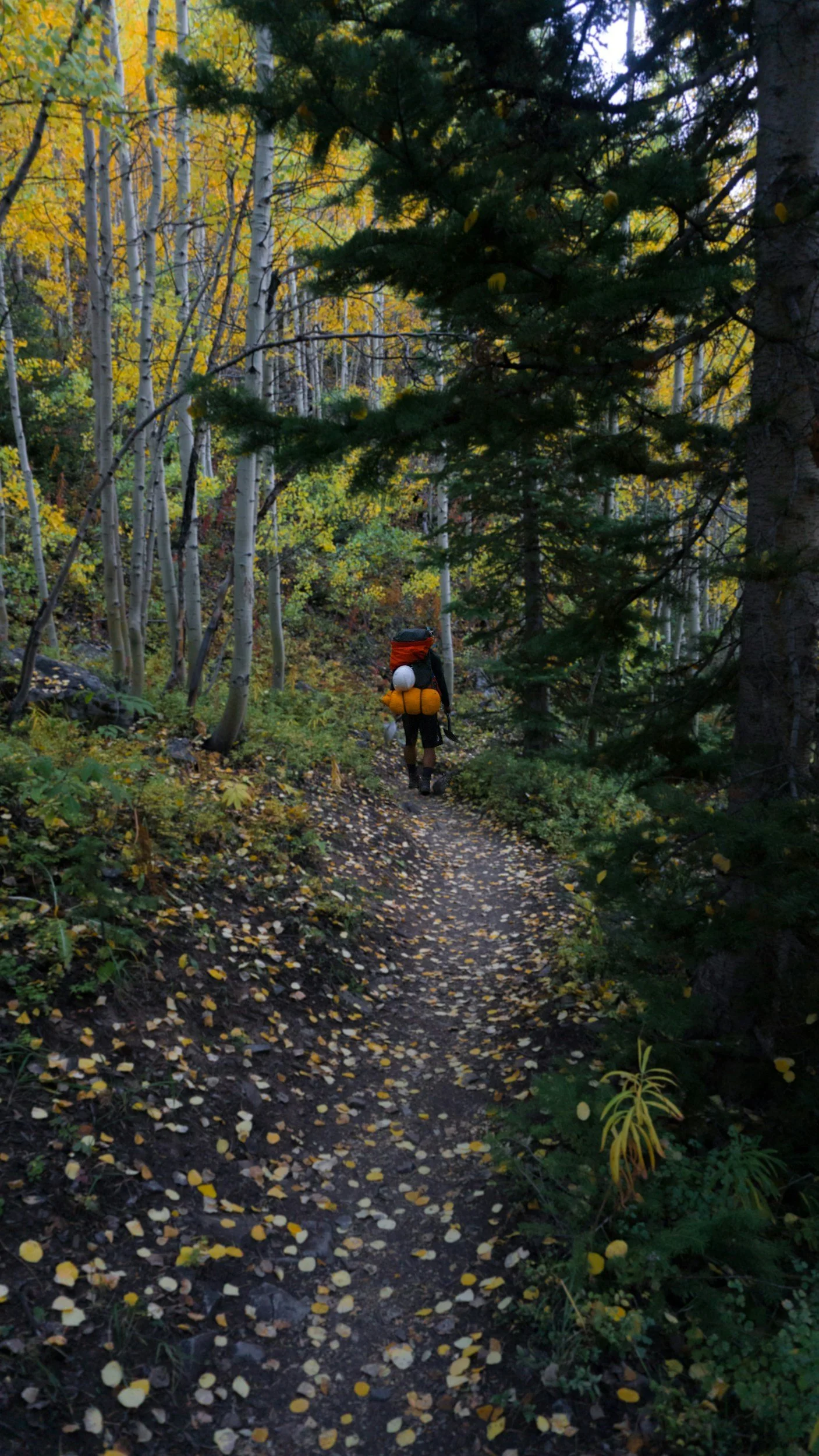
Colorado Trail
Colorado · 486 Miles
The Colorado Trail spans nearly 500 miles from Denver to Durango, crossing high elevation passes, remote wilderness areas, and extended stretches without consistent town access.
Colorado Trail planning requires disciplined transportation coordination between trailheads, elevation informed pacing strategy, and carefully sequenced resupply across mountain communities such as Breckenridge, Leadville, and Silverton. Snowpack timing and variable alpine weather further influence itinerary structure.
Backcountry Passage provides structured Colorado Trail logistics for full thru hikes and defined section efforts. From shuttle coordination and resupply planning to comprehensive itinerary architecture and consolidated documentation, each route is designed to reduce uncertainty across long distance terrain.

Allegheny Trail
West Virginia · 311 Miles
The Allegheny Trail stretches more than 300 miles across West Virginia, traversing remote ridgelines, national forest corridors, and extended wilderness segments with limited town access.
Allegheny Trail planning is defined by logistical complexity. Trailheads are dispersed, shuttle infrastructure is sparse, and resupply opportunities require deliberate sequencing across long distances. Improvised transportation or poorly timed resupply drops can compound quickly over the length of the route.
Backcountry Passage provides structured Allegheny Trail logistics for full length thru hikes and defined 100 to 200 mile sections. Transportation coordination, resupply strategy, pacing architecture, and consolidated documentation are designed to bring stability to an otherwise fragmented planning landscape.
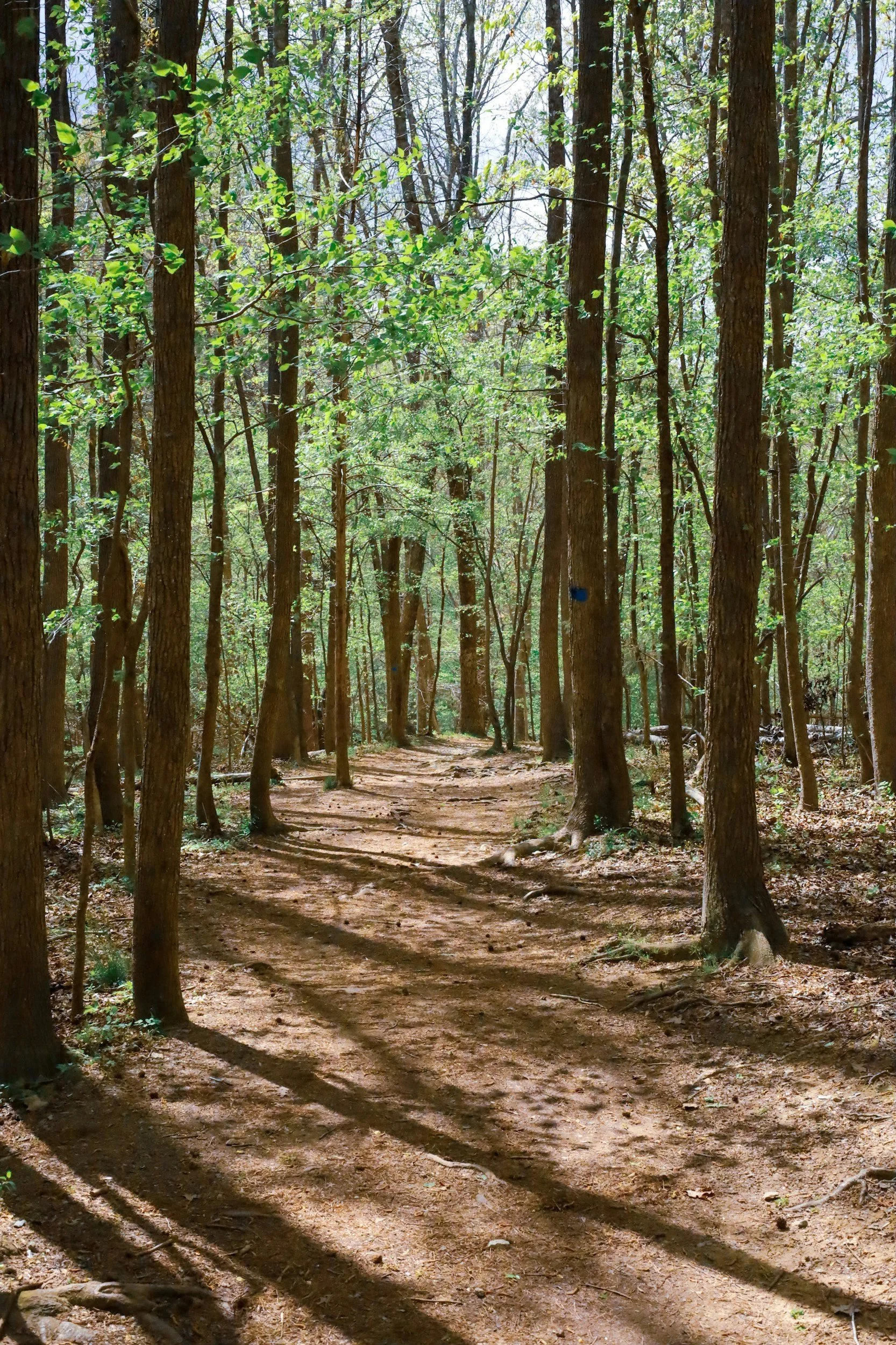
Benton Mackay Trail
Georgia & North Carolina · 287 Miles
The Benton MacKaye Trail extends nearly 300 miles through the Southern Appalachians, crossing Georgia, Tennessee, and North Carolina. While often quieter than the Appalachian Trail, it presents comparable terrain intensity and logistical demands.
Benton MacKaye Trail planning involves multi state shuttle coordination, strategically spaced resupply points, and pacing aligned with sustained elevation gain and remote mountain segments. Access points are less consolidated than on more trafficked long trails, increasing the importance of disciplined sequencing.
Backcountry Passage provides structured Benton MacKaye Trail logistics for full thru hikes and defined section efforts. From transportation planning and resupply strategy to itinerary architecture and consolidated route documentation, each engagement is designed to reduce friction across extended distance.
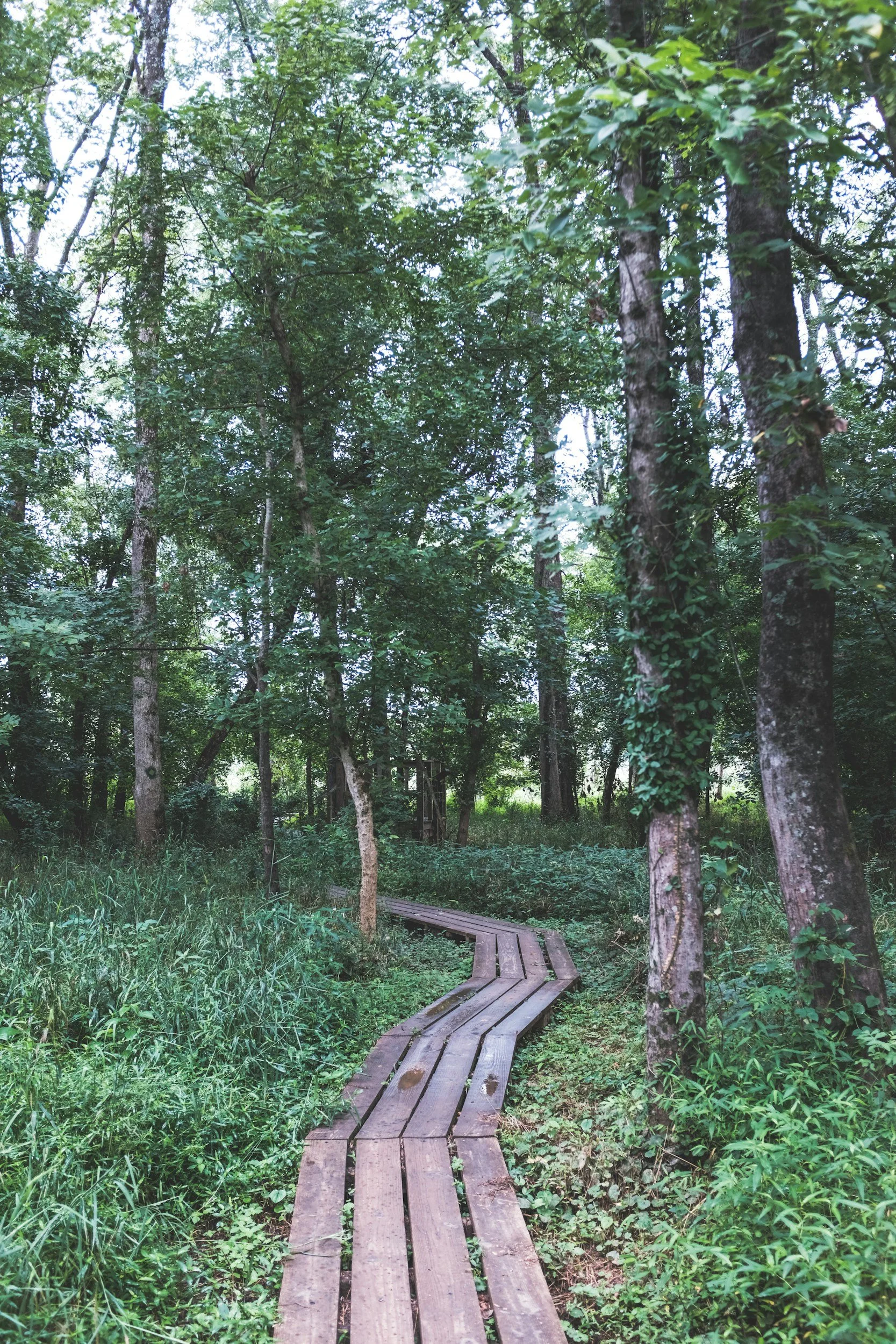
Foothills Trail
North & South Carolina · 77 Miles
The Foothills Trail runs approximately 77 miles along the Blue Ridge Escarpment, connecting Table Rock State Park in South Carolina to Oconee State Park near the North Carolina border. Though shorter than many long distance routes, it presents sustained elevation gain, extended forested segments, and limited natural exit points.
Foothills Trail planning requires coordinated shuttle transportation between trailheads and a clearly defined resupply strategy for hikers pacing the route over five to seven days. Because it is a true point to point trail, entry and exit sequencing materially affect execution. Compressed timelines and aggressive mileage targets further increase the value of disciplined itinerary design.
Backcountry Passage provides structured Foothills Trail logistics across Adventure and Adventure Plus formats. From shuttle coordination and resupply planning to terrain informed pacing architecture and consolidated documentation, each route is built to reduce uncertainty before departure.
Planning a Different Route?
Backcountry Passage selectively evaluates additional point-to-point wilderness routes between 50 and 500 miles where transportation coordination and resupply sequencing materially affect execution.
If you are researching logistical support for a route not listed here, we would like to invite you to begin reaching out and let us know!